Christmas Ball Toys: A Designer's Practical Review for Embroidery Projects
First Impression: A Playful, Nostalgic Holiday Vibe
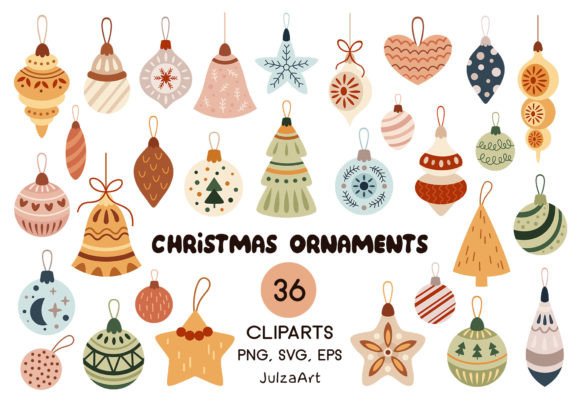
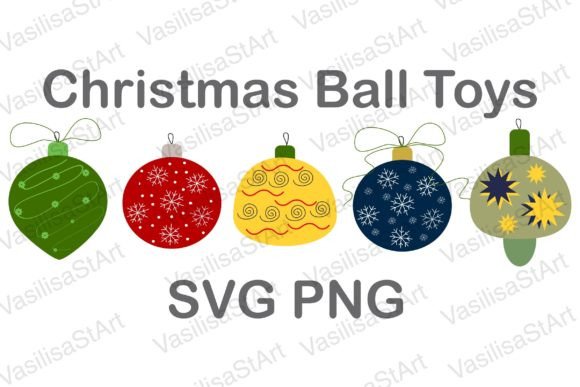
Opening the Christmas Ball Toys illustrations, the immediate feeling is one of playful nostalgia. These aren't just generic ornaments; they're toys disguised as holiday decorations. That subtle twist gives the design a distinct personality. The shapes are clean and graphic, which is excellent news for embroidery. The detail level appears balanced—not overly simplistic, but not choked with tiny lines that would vanish under stitching. The overall mood is cheerful and nostalgic, perfect for projects aimed at families, children, or anyone who cherishes that classic, toy-filled Christmas feeling.
Where This Design Naturally Belongs in Real Projects
As a designer, I immediately start visualizing applications. This isn't a design for a formal, minimalist holiday item. Its natural home is in warm, personal, and giftable projects. Imagine embroidering this onto a cozy fleece blanket for a nursery, or as a focal point on a child’s holiday sweatshirt. It would sing on a canvas tote bag meant for carrying gifts or winter market finds. I picture it stitched onto a kitchen towel or apron in a homemade holiday set—the toy theme feels perfectly kitchen-appropriate. For small business owners, this could be a charming signature item on a limited-run holiday beanie or a felt patch sold for crafters to apply themselves.
A Real-Life Scenario: Crafting a Boutique Holiday Tote
Let’s walk through a real case. I’m considering using Christmas Ball Toys for a small batch of embroidered totes for my shop’s holiday collection. The graphic, clean shapes are promising for a bag’s larger surface. I’m thinking about thread colors: a classic red and green scheme would work, but perhaps a softer palette of cream and sage green on a natural canvas bag could elevate it into a more boutique, year-after-year keepsake. The design’s playful nature would make the tote feel like a special holiday accessory, not just a seasonal advertisement. A customer’s reaction would likely be, "Oh, that’s charming!" rather than just "It’s Christmasy." That extra layer of character adds product value.
Performance in Key Embroidery Situations
For machine embroidery, the success of this design file will hinge on its translation from illustration to stitch paths. The clean shapes should allow for good satin stitch or fill stitch coverage without excessive stitch density, which is a relief for softer fabrics like sweatshirt fleece or baby apparel. On a tote bag or apron made of heavier cotton or canvas, it should stitch out crisply with proper stabilizer. However, its true test will be on smaller items.
If a client requests it for a child’s hat or a embroidered patch, the individual toy details need to be scrutinized. Tiny elements, like perhaps a toy soldier’s features or a doll’s small buttons, might need simplification if the file’s smallest stitches are too dense. This is a critical step for maintaining stitching clarity and ensuring the final product doesn’t look muddy.
Careful Application: Where to Proceed with Caution
I would advise caution on a few fronts. On very textured fabrics like certain wool blends, the clean lines could lose definition. On dark fabric backgrounds, careful thread color selection is paramount—some of the playful lightness might be lost if colors don’t pop. Embroidering on curved surfaces like caps requires checking how the circular "ball" shapes distort in the hooping process. For products destined for frequent washing, like tea towels or everyday apparel, a robust stitch construction is key to longevity. Most importantly, because this is an illustrations product sold as graphics or a digital embroidery file, its suitability for small hoop sizes is unknown until tested. Never assume a design will scale down perfectly without losing integrity.
Impact on Professional Presentation & Customer Trust
Using a design with this distinct character affects your project’s perceived value. For Etsy sellers and small shop product creators, it helps you stand out from the sea of generic snowflake designs. It tells a story, which enhances handmade presentation and brand consistency if your brand is about thoughtful, narrative-driven gifts. For personalized gifts, like a pillow cover for a grandchild, it adds a layer of meaning. This directly influences buyer engagement; people connect with a specific theme more deeply.
It also impacts customer trust in your craftsmanship. A well-executed embroidery of this design, where the toys are clearly recognizable and the stitching is clean, signals professionalism. It shows you chose a design with intent and executed it with skill. Conversely, a poorly stitched version where details are lost would undermine that trust. The design’s visual appeal is inherently high, but your embroidery execution unlocks its full potential.
Practical Designer Notes Before You Stitch
Before committing this to a client project or your craft business merchandise, here is my standard review protocol. First, always test the design on scrap fabric identical to your final project fabric. This reveals everything: how the thread colors interact with your material, the actual stitch density, and whether any small details become problematic. Second, check thread color contrast not just for light fabrics, but also on dark background mockups. A quick black and white mockup can also help judge value contrast.
Third, review the hoop size required. Since the product details don’t specify, you must confirm the design scales appropriately for your intended item—a large sweatshirt embroidery versus a small baby embroidery on a bib. Fourth, inspect small details in the test stitch-out. Are there isolated single stitches or tiny jumps that might not anchor well? Finally, and crucially for commercial embroidery and selling finished products, confirm licensing before selling any items. The product description mentions endless possibilities, but you must verify the terms for commercial use of the digital embroidery file. This protects your business and respects the creator.
Final Thoughts for Creative Entrepreneurs
The Christmas Ball Toys design offers a strong thematic foundation for holiday projects. Its strength is its specific, playful mood, which can translate into memorable custom apparel, holiday embroidery gifts, and distinctive small shop merchandise. Your job as the maker is to bridge the gap between the digital file and the physical, stitched reality. By testing thoroughly and choosing applications that match its graphic yet nostalgic style, you can create embroidered projects that feel both professionally made and personally charming. That combination is exactly what turns a simple embroidery project into a valued finished product.