Retro Christmas Ornaments: A Designer's Review for Embroidery
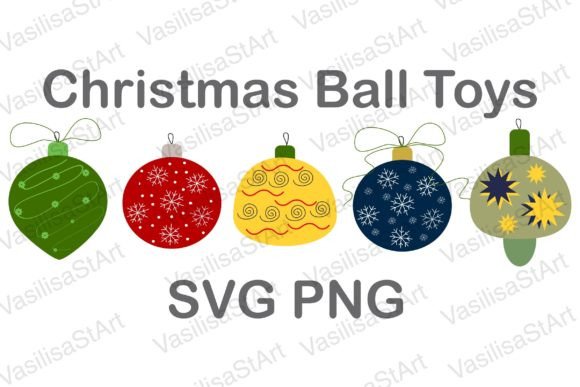
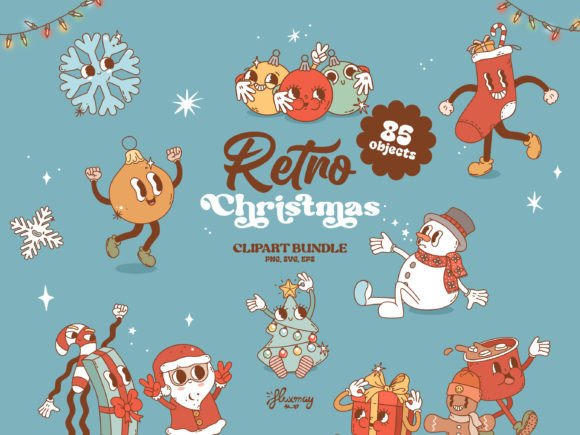
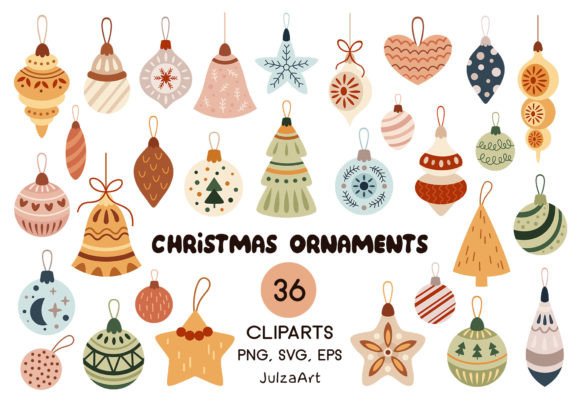
When I first opened the Retro Christmas Ornaments Clipart set, my immediate thought wasn't about its digital form, but about how it would translate into thread. As a designer who regularly turns graphics into physical, stitched products, that’s the crucial test. This collection of festive retro tree toys has a distinct personality—it’s cheerful, nostalgic, and uncomplicated. The shapes are classic: rounded ornaments, simple stars, and those charming vintage baubles. The detail level is just right, not overly intricate, which in the world of embroidery, is often a gift. It means these designs are likely to stitch out cleanly without a fight.
The Mood It Creates and Where It Belongs
The visual personality here is warm and inviting. It doesn’t scream modern minimalist; it feels like pulling decorations from a cozy, remembered childhood box. This mood is perfect for projects where you want to evoke that sense of handmade tradition. I instinctively pictured it on a natural linen pillow cover for a holiday living room, or as a small cluster on the corner of a kitchen towel—items that feel personal and enduring. For small business owners and Etsy sellers, this aesthetic aligns beautifully with customers looking for gifts that feel special and timeless, not mass-produced.
Thinking Through a Real Project: The Custom Tote Bag
Let’s walk through a real scenario. Say a client requests a custom embroidered tote bag as a Christmas gift. I’m considering using one of the larger ornament designs from this set. My first concern is stitch clarity. The clean lines and defined shapes of these graphics suggest they’ll hold up well when converted into an embroidery file. I wouldn’t be worrying about tiny, fussy details merging into a blur of thread. The stitch density should be manageable, avoiding those overly thick, stiff areas that can make fabric pucker. On a sturdy bag fabric, with proper stabilizer, I expect a crisp, professional-looking result that adds significant product value.
Performance Across Real-Life Embroidery Situations
This set’s versatility is its strength. For apparel decorators, a single ornament would be lovely centered on a sweatshirt or baby onesie, provided the hoop size is appropriate. For smaller items like caps or the curved surface of a hat, selecting the simpler, more circular ornaments would be wise. They’d adapt better to the shape than a design with many protruding points.
As an embroidered patch, these ornaments would be fantastic. Their bold, recognizable shapes make them highly giftable and perfect for craft fair products or small shop merchandise. For digital product sellers creating printable mockups or using the graphics as design assets in their listings, the clean art provides a strong, professional foundation that builds customer trust. It looks like a finished product, not a sketch.
Where to Use a More Careful Hand
Not every project is an ideal fit. The designs, while not overly detailed, do have some interior lines and decorative accents. On very textured fabrics like a loose-knit blanket, or on dark fabric where you’d need very light thread, some of that clarity might soften. Always test on scrap fabric first. For items needing frequent washing, like baby clothes, consider using a tighter fill stitch for durability. And while the set is described for use on clothing and bags, I’d avoid very thin fabric or stretchy fabric for the larger designs unless you’re exceptionally confident with your stabilizer and machine settings.
The Impact on Your Craft and Business
Using a cohesive, well-designed set like Retro Christmas Ornaments Clipart affects more than just the stitch-out. It elevates your handmade presentation. When your products carry a consistent, appealing visual theme, it strengthens your brand consistency. A customer receiving an embroidered apron with these ornaments and then seeing a matching pillow in your shop creates a powerful recognition. That’s how you build engagement and repeat business.
For the creative entrepreneur, this set saves time. The design judgment is already done—the mood is set, the elements balanced. You can focus on the craft: choosing perfect thread colors, pairing it with the right fabric, and executing the stitch. That efficiency translates directly into professionalism and allows you to offer more personalized products without starting from zero each time.
Practical Notes From the Embroidery Desk
Before you commit to a final project, here are my go-to steps. First, check thread color contrast. Run a mental test: how will that gold ornament look on a red sweater? Sometimes a graphic on a white screen looks different than a stitched version on colored fabric. I often test it in black and white mockups to see if the form holds without color. Second, inspect the small details. Even in a simple design, a tiny dot intended for a satin stitch might need adjusting for your preferred hoop size. Third, and most critical for commercial embroidery or selling finished items: confirm licensing before selling. The product category is Illustrations and the type is Graphics. You must understand the terms for using it in physical products you sell. Don’t assume.
Finally, consider the complete journey of your embroidery project. From this digital file to a physical finished product in a customer’s hands, the Retro Christmas Ornaments Clipart provides a strong, charming foundation. Its retro cheer is universal, its forms are embroidery-friendly, and it invites you to add your skill to create something truly giftable. That’s a design asset worth having in your toolkit.