Designing Holiday Joy: A Gingerbread Embroidery Review
Every holiday season, I look for embroidery designs that can go beyond simple decoration and become genuine gifts, items that feel like a piece of someone's warmth. When I evaluate a design like the Christmas Gingerbread Can Glass 16oz SVG, I’m thinking about the final stitched product in someone’s hands. It’s not just about the digital file; it’s about how it translates into thread on fabric, and the smile it creates.
The First Impression: Sweet Simplicity with a Strong Personality
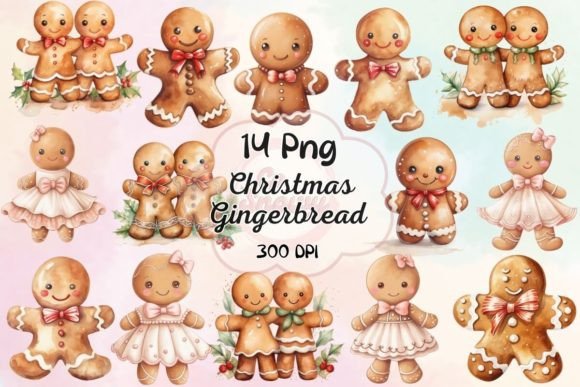
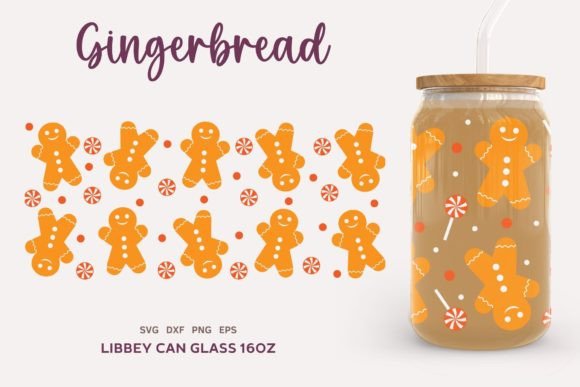
This design immediately sets a mood of cozy, festive charm. The central gingerbread figure isn’t overly complex, which is a significant advantage for machine embroidery. The shape is friendly and recognizable, with details that suggest texture—like the classic button eyes and icing trim—without being so intricate that they’d become a muddled mess of stitches. The layout, built around the Libbey can glass template, is naturally balanced. For us in embroidery, that means it has a clear focal point that will stitch out cleanly on a variety of projects. Its visual personality is playful and welcoming, perfect for projects meant to evoke holiday nostalgia and handmade care.
Where This Gingerbread Design Finds Its True Home
In practical use, this design belongs on items that are part of the holiday atmosphere. I picture it embroidered onto a kitchen towel or apron for a festive cooking gift. It would be lovely as a centered motif on a pillow cover for a cozy living room. For a small business like an Etsy shop specializing in holiday merchandise, it’s ideal for custom apparel like sweatshirts or tote bags offered as seasonal limited editions. The "Hello and welcome" text integrated into the design adds a personalized touch, making it fantastic for a family’s holiday guest towel or a personalized gift for a new neighbor.
Let me walk through a real scenario. A client requests a set of custom embroidered tea towels as a Christmas gift for her mother, who loves baking. I’m considering this gingerbread design. I think about stitch clarity: the icing details need to be distinct against the "cookie" body, so thread color contrast is key. I think about the product’s durability—these towels will be washed. A clean fill stitch area for the main body and well-defined satin stitches for the outlines will hold up better than overly dense, stiff stitching. The design’s pre-sized nature for the glass is helpful, but for embroidery, I’m considering a medium hoop size to maintain detail integrity on the fabric.
Careful Application: When to Test and Adjust
While the design is charming, its successful application depends on thoughtful execution. On textured fabrics like some sweater materials, the finer lines of the smile or icing trim might get lost. Embroidering on dark fabric requires a strategic choice of thread colors—perhaps a lighter brown for the gingerbread body to ensure it pops. The small lettering of "Hello and welcome" demands attention; on stretchy fabric like a t-shirt without proper stabilizer, tiny text can become distorted.
For items like caps with curved surfaces, the circular layout of the design could be an advantage, but the density needs to be checked to avoid a stiff, uncomfortable patch. And for projects intended as heirlooms or frequently washed items, like a baby’s holiday bib or blanket, testing the stitch density on scrap fabric first is non-negotiable to ensure it won’t pull or wear poorly.
How This Design Elevates Your Finished Product
From a professional standpoint, a well-embroidered version of this design boosts product value significantly. It moves from a generic graphic to a tangible piece of craftsmanship. That handmade presentation builds customer trust and engagement, especially for boutique brands and creative entrepreneurs. The clear, joyful theme enhances giftability—it’s instantly recognized as a holiday item. For brand consistency, if your shop specializes in warm, whimsical styles, this design fits seamlessly into that portfolio, reinforcing your aesthetic to your customers.
Practical Notes for the Embroidery Designer
Before you run this file, here’s my standard checklist for a design like this.
- Always test on scrap fabric that matches your final project material. This reveals how the fill stitches behave and if any details need adjustment.
- Check thread color contrast, especially between the gingerbread body and its decorative accents. Sometimes a digital preview doesn’t show how similar shades blend when stitched.
- Review the implied stitch density from the file artwork. Areas that look solid in the SVG might need to be optimized in your embroidery software to prevent overly thick stitching.
- Confirm your hoop size can accommodate the design’s dimensions comfortably for a clean stitch-out.
- Inspect the small details, particularly any fine lines or small text, by running a test at your intended size.
- Consider the design’s performance on both light and dark backgrounds. You might need two slightly different color palettes.
- Use the proper stabilizer for your chosen fabric. This is crucial for maintaining the design’s shape and clarity.
- If you plan to sell the finished embroidered items or use it in commercial embroidery projects, confirm the licensing terms for the digital file. The product description mentions it includes multiple file types like SVG, PNG, EPS, DXF, which are great for flexibility, but always verify the usage rights.
Ultimately, the Christmas Gingerbread Can Glass 16oz SVG offers a strong foundation for holiday projects. Its strength lies in its clear, thematic appeal and balanced layout. By approaching it with the practical considerations of embroidery—thinking about fabric, thread, stability, and final use—you can transform this digital design asset into a stitched product that genuinely captures the spirit of a handmade holiday.